
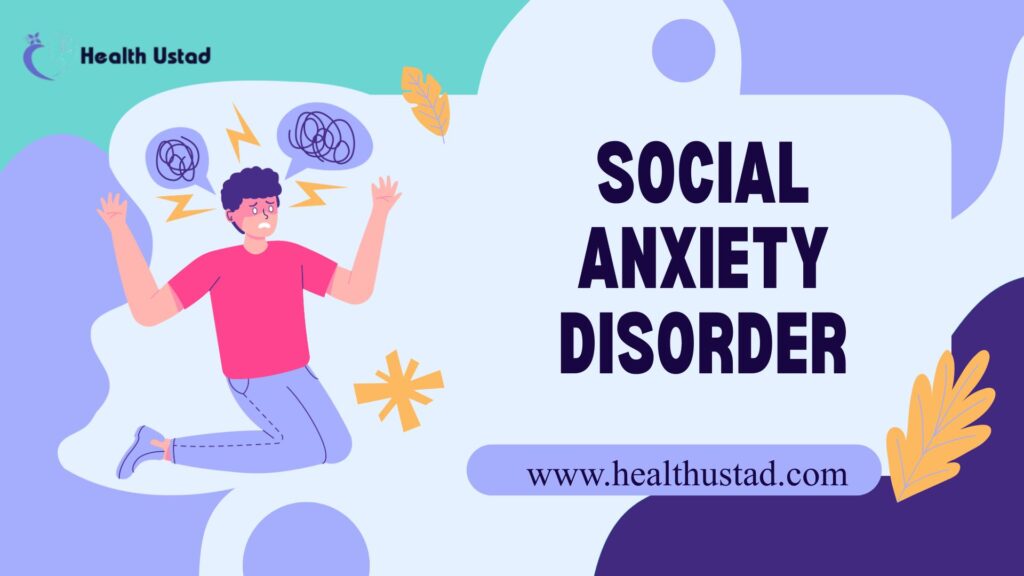
How to Understand Social Anxiety Disorder ICD-10?
Social Anxiety Disorder ICD-10, is a recognized mental health condition. This is categorized within the International Classification of Diseases (ICD-10) system as a cognitive, behavioral, and neurodevelopmental disorder. People with this condition, which is also called social phobia, act and react differently in different social or performance situations. People with social anxiety disorder ICD-10 feel very scared or anxious when they are in social situations where they might be watched, judged, or embarrassed.
What is Social Anxiety Disorder ICD-10?
People with social anxiety disorder are very afraid when they have to interact with other people or perform in front of a crowd. Individuals with this condition often fear negative evaluation or humiliation. People who have this usually blush, shake, sweat, and stay away from social situations. These reactions are more than just being shy; they get in the way of everyday life and relationships.
Fear can be too much to handle when you’re performing, like when you’re speaking in public or going to a party. Anxiety can also come up when you do things like meet new people, eat in front of others, or make eye contact. This avoidance can make you feel alone, sad, and have a lower quality of life over time.
What is the Diagnostic criteria of Social Anxiety Disorder?
According to DSM-5-TR, the diagnostic criteria of social anxiety disorder is:
Diagnostic Criteria A.
An individual can feel noticeable fear and stress about many social situations, either one or more. These social situations include
(i) Meeting with unfamiliar people
(ii) Having conversations
(iii) Eating or drinking in public
(iv) Giving a speech
Note: Children show anxiety in peer settings not only when interacting with others.
Diagnostic Criteria B.
Individuals feel fear of rejection or offense in different social situations. Most individuals think that they will be negatively evaluated in various situations.
Diagnostic Criteria C.
Some social situations always provoke fear and anxiety. These fears and worries are expressed by crying, freezing, clinging, and failing to speak.
Diagnostic Criteria D.
Individuals feel the need to avoid these social situations due to fear and anxiety.
Diagnostic Criteria E.
The fear and anxiety faced by the individual are out of proportion. This is not due to any substance.
What is the ICD-10 Code and Classification for Social Anxiety Disorder?
The World Health Organization’s (WHO) ICD-10 disease classification system is used all over the world to figure out what medical and mental health problems people have. The American ICD-10-CM version calls social anxiety disorder ICD-10. This code is part of the Phobic anxiety disorders group.
How does it affect your Behavior?
People with social anxiety disorder ICD-10 often find social situations very hard to handle. When you are afraid of being judged, you may avoid things like going to class, job interviews, or social events. Therapists often use gradual exposure techniques to help clients face their fears and get over them. Over time, this process helps them feel more confident and less anxious.
Social interactions are very important for emotional health. This prolonged fear affects self-esteem as well. Sometimes, early detection and interventions are essential for childhood social anxiety disorder icd-10.
How to treat and manage Social Anxiety Disorder?
Individuals struggling with social anxiety disorder ICD-10 need therapy and sometimes medicine as well.
Most of the time, CBT, Cognitive Behavioral Therapy, is best suited to treat anxiety. This therapy is helpful to rephrase negative thoughts into positive statements. Exposure therapy is also used to treat patients with anxiety. This is also a kind of CBT. Exposure therapy is used to deal with individuals who have difficulty facing anxious situations.
Some individuals need SSRIs or anti-anxiety drugs to deal with symptoms.