Post Traumatic Stress Disorder (PTSD)
What is Post-Traumatic Stress Disorder ICD-10?
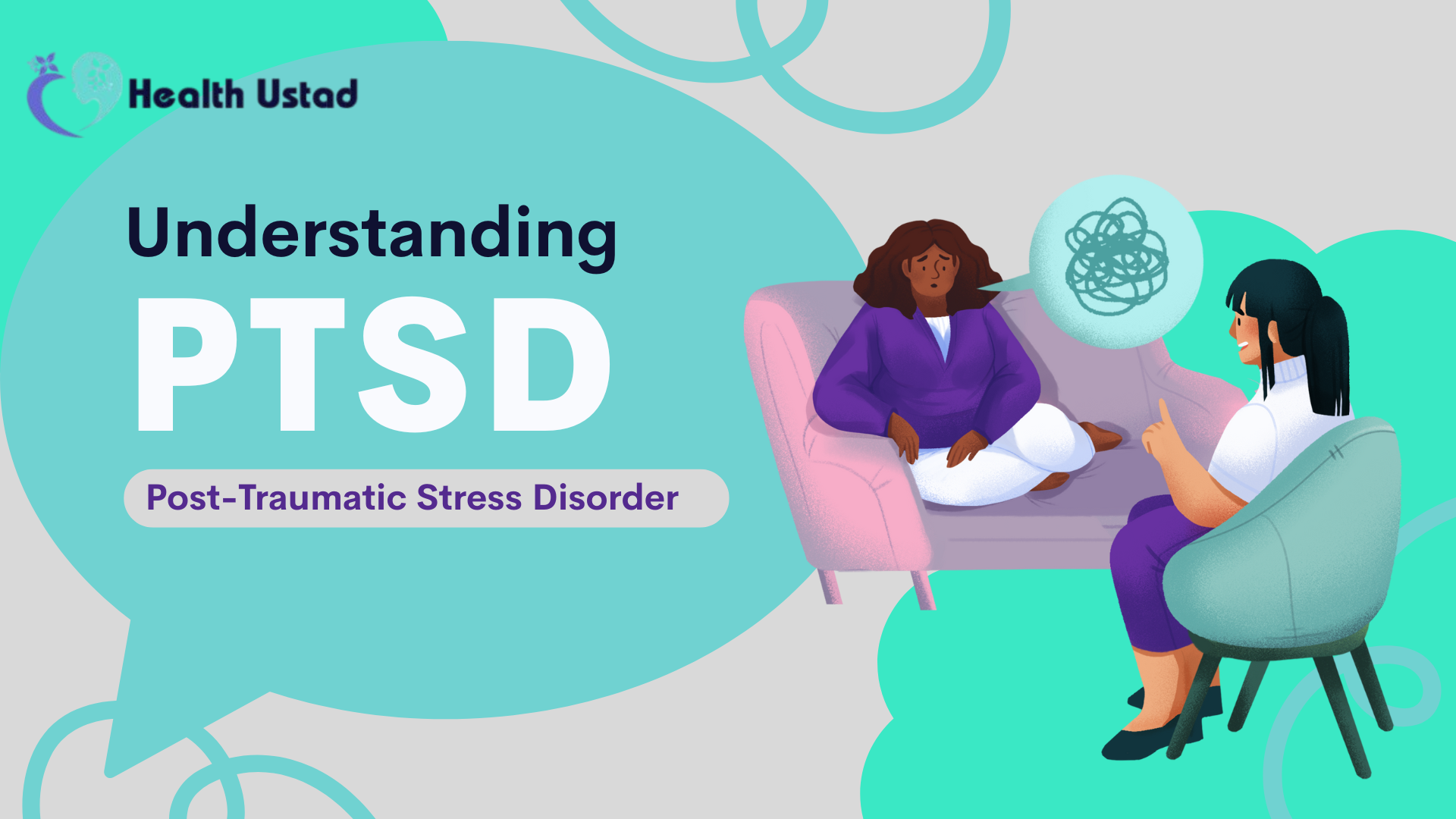
Someone may develop Post Traumatic Stress Disorder ICD 10, (PTSD) a mental health condition, after going through a traumatic or life-threatening event. The ICD-10, or International Classification of Diseases, says that it is a type of traumatic stress disorder. The ICD 10 code for posttraumatic stress disorder helps doctors keep track of and treat the condition correctly in a lot of different healthcare systems.
People with PTSD often can’t stop thinking about traumatic events, feel emotionally distant, and are more easily aroused. The disorder affects both the body and the mind, causing long-term pain, anxiety, and changes in behavior. In this article we will understand Post Traumatic Stress Disorder ICD 10, it’s causes, Diagnosis and Treatments.
Diagnostic criteria of PTSD According to DSM 5-TR:
- Diagnostic Criteria for Posttraumatic Stress Disorder according to DSM 5 TR for Individuals more than 6 years age
Note: The below mentioned diagnostic criteria apply to adults and adolescents. This criteria is for children more than 6 years age.
Diagnostic Criteria A.
Individual experience PTSD symptoms when have exposure to serious injury, life threatening event, sexual violence in one or more than one following situations.
- Individual have directly experienced life traumatic event.
- Individual have witnessed any other experiencing the traumatic event.
- Individual have learned or heard any close family member have experienced such traumatic event or accident.
- Individual have experienced aversive details of aversive or traumatic event. Like any police officer gathering remains from accident, or exposure to any abusive case.
Note: The criteria mentioned in point 4 does not apply on exposure to event through television or social media.
Diagnostic Criteria B.
The post traumatic stress disorder icd 10 is diagnosed if the individual experiencing one or more then one of following symptoms related to traumatic event.
- Repeated distressing and involuntary memories of traumatic event.
- Repetitive dreams related to content of traumatic event. In children these could be unrecognizable frightening dreams.
- Flash backs and dissociative reactions in which individual feels or act like traumatic event.
- Prolonged psychological distress due to exposure to any traumatic event.
- Individual show physical reactions symbolizing traumatic events.
Diagnostic Criteria C.
Individual show avoidance to traumatic event or stimuli associated with traumatic events.
- Individual show avoidance toward thoughts or feelings associated with traumatic events.
- Individual show avoidance toward external stimuli or reminders like people, places, objects and activities that rise distressing memories.
Diagnostic Criteria D.
Two or more than two cognitive changes are observed in individuals associated to traumatic event.
- Unable to remember traumatic events due to head injury, dissociative amnesia, and drugs.
- Individual have persistent negative belief about oneself. He or she may think that “I am bad”.
- Individual experience distorted thoughts. These distorted thoughts lead individual to blame others or his self.
- Individual have significant negative emotional states like guilt, fear and shame.
- Individual have lack of interest and participation in other activities.
- Individual have lack of social bonding and detachment from others.
- Individual have inability to experience emotions like satisfaction, happiness and love.
Diagnostic Criteria E.
Individual have significant change in reactivity feelings followed by two or more than two of following:
- Aggression, irritable behavior and verbal and physical aggression toward people and objects.
- Individual show self-destructive behavior.
- Hyper vigilance
- Startled responses
- Lack of concentration
- Lack of sleep or restless sleep
Diagnostic Criteria F.
Thedisturbances mentioned in criteria B, C and D have duration of more than one month.
Diagnostic Criteria G.
The disturbances mentioned in above diagnostic criteria cause significant disturbance in social and professional life of individual.
Diagnostic Criteria H.
The disturbances mentioned above are not due to any drug or any other disease.
What are Causes and Triggers of Post Traumatic Stress Disorder ICD 10?
PTSD can happen after you see or go through something dangerous or abusive life event. This might include:
- Sexual or physical attacks
- Fighting
- Accidents or natural disasters
- Sudden death of loved ones.
- Very serious medical emergencies
Most people feel bad for a short time after a traumatic event, but people with Post Traumatic Stress Disorder ICD 10, have symptoms that last for a long time and make it hard for them to live their daily lives. The ICD 10 classification for posttraumatic stress disorder (PTSD) provides a therapeutic framework for distinguishing these prolonged responses from typical stress reactions.
The Most Important Signs of PTSD:
Post-traumatic stress disorder ICD 10 (PTSD) symptoms vary in severity and duration, yet they frequently correspond with four primary clusters delineated by diagnostic systems such as ICD-10 and DSM-5.
- Memories that won’t leave you alone
A lot of the time, people have flashbacks, dreams, or intrusive thoughts that make them think about bad things that happened to them. Things that are like the trauma, like sounds, sights, or situations, can bring these memories back to life.
2. Avoidance and Numbing
Many people avoid places, people, and events that remind them of their trauma. Emotional detachment, lack of interest in activities, and difficulty forming connections are all signs that someone is avoiding something.
3. Hyperarousal and Reactivity.
People with PTSD often have symptoms like being more sensitive and aroused, like being irritable or having fits of rage, being easily startled, or having trouble sleeping and staying asleep. These behaviors indicate an overactive stress system, potentially resulting in physical fatigue over time.
4. Bad changes in mood and thought
People may have wrong ideas about themselves or the world, not be able to remember important things about the trauma, or feel bad and ashamed. These emotional changes can cause mental pain that lasts a long time and slow down the healing process.
If these symptoms last for more than a month and make it hard to do normal things, the disease is called Post Traumatic Stress Disorder ICD 10.
It can be either acute or chronic.
According to the ICD-10 framework, PTSD can last for a short time or a long time.
- When symptoms last less than three months, it’s called acute.
- The chronic type lasts longer than three months and often makes mental health problems worse.
Treatment for PTSD
Common treatments for Post Traumatic Stress Disorder ICD 10 are Therapy, Medicines and Exercises.
-
Therapies:
Some common therapies are used to treat Post Traumatic Stress Disorder ICD10. Therapeutic treatments include Cognitive Behavioral Therapy CBT to calm down the negative feelings and thoughts of individual. Exposure therapy is also use to treat PTSD. This is a therapeutic procedure to slowly bringing stressor in controlled setting to help individual to stop avoiding these stressors.
2.Medication:
If any individual have severe symptoms of Anxiety, Depression and Hyperactivity then medicines are required to treat. Medicines help to treat severe anxiety, depression and physical effects.