Dissociative Disorders
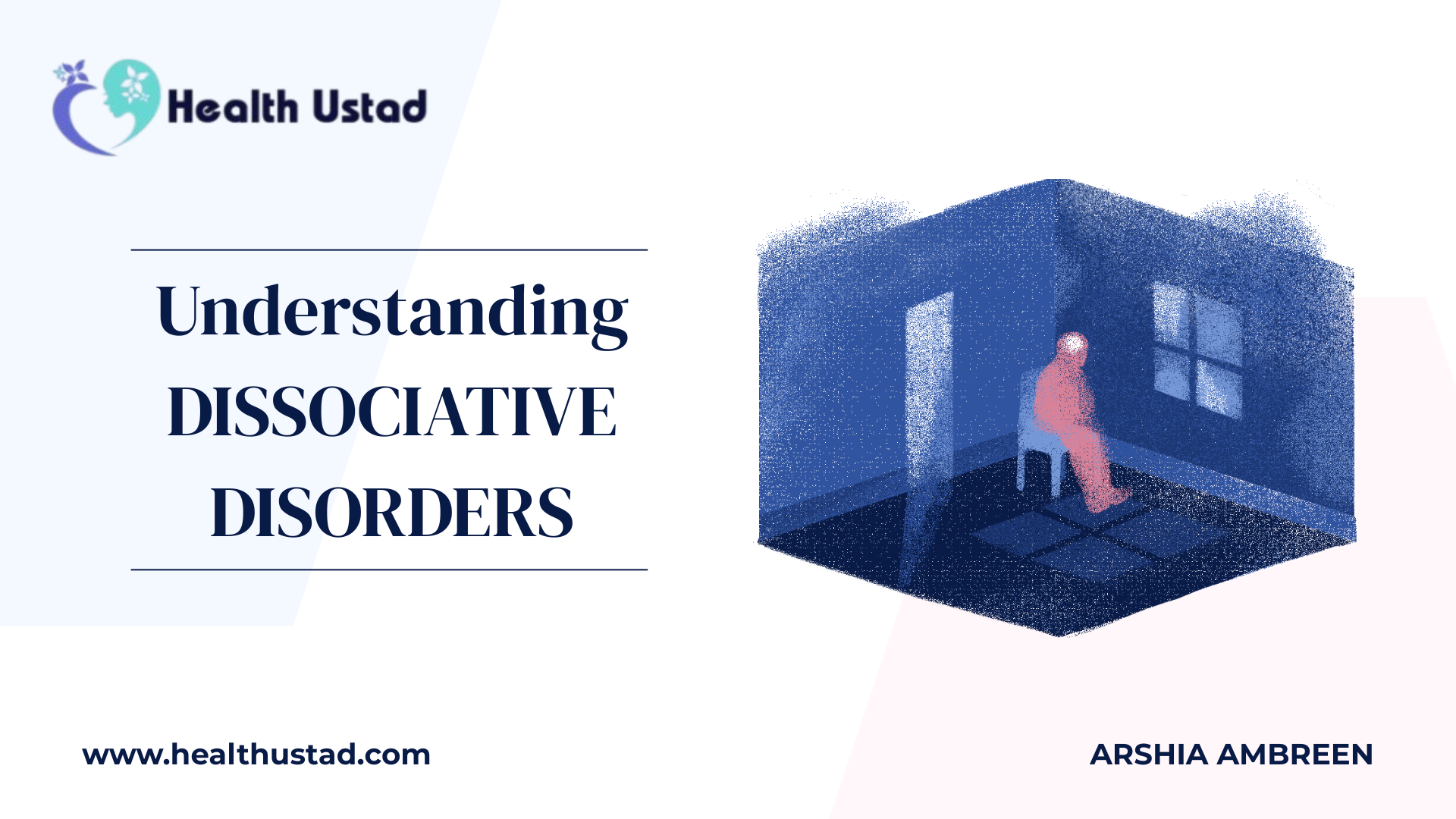
What are Dissociative Disorders? What Emotional Damage you can Face?
Dissociative disorders are complex mental health issues that can cause emotional damage and effect the daily life of individual. Dissociative disorders sometime cause due to traumatic events and emotional damage from past incidents of life. You need to know about these diseases so you can see the signs, get help, and do things that will help you get better. In this article we will explain what are dissociative disorders? How they effect daily life of individual? And what are the treatments of dissociative disorders.
What are Dissociative Disorders?
A person with dissociative disorder sometime think that they are not there. They feel, perceive and think themselves as they are not there. Dissociative disorders most of the time happens after sudden and extreme emotional trauma, any emotional shock or childhood trauma. Dissociative disorders are more than only spacing out during a conversation. These symptoms make individual to work in unhealthy way. There are many type of dissociative disorders:
- Dissociative Identity Disorder
- Dissociative Amnesia
- Depersonalization and Derealization
Now we will describe a short introduction of all these disorders
Dissociative Identity Disorder
This is also known as Multiple Personality Disorder as well. This is a disorder with two or more distinct identities or psychological states. These different identities may take the control of person’s personality and action at different times.
Dissociative Amnesia
Amnesia is memory loss. Dissociative amnesia is also associated with traumatic life events. The memory loss in dissociative amnesia have usually very bad impact of forgetting things that is difficult to explain.
Depersonalization
Individual with depersonalization disorder individual feel that he or she is not really present there. In derealization individual feel that everything around them is not real.
What is relationship between Dissociative Disorder and Emotional Damage?
As we have discussed earlier in this article that Dissociative disorders happen due to traumatic life incidents. Dissociations are also coping mechanisms to face emotional distress in children. These dissociations help individual to mentally separate themselves from their traumatic memories that are emotionally painful. Dissociations make emotional pain less severe.
A person with history of emotional abuse, traumatic events start dissociate to protect oneself from the feelings of sadness, fear and helplessness. If this dissociation is for a long period of time it cause dissociative disorders.
Here the important point for you to keep in mind is that every emotional trauma does not end up with dissociative disorder. Some individual can also get other mental health issues like anxiety, depression and post-traumatic stress disorder.
How to Handle your Emotional Damage?
The most way to handle emotional damage is to be nice with yourself. Don’t judge your pain but accept it. People with dissociative disorders can benefit greatly from being kind to themselves because it helps them deal with their emotional pain without worrying about hurting themselves more. Here are some ways to treat yourself well:
Know what you’re feeling.
Accept that the pain you’re feeling is real. You need to be heard and understood if you’re scared, angry, or overwhelmed.
Be calm:
Breathing deeply and doing grounding exercises can help you stay in touch with your feelings without letting them control you.
Be nice to yourself:
Instead of judging how you feel, think of yourself as a close friend who is in pain. Give them words of support and encouragement. People who have been through emotional trauma need to be nice to themselves to get better. This is because it makes a safe place for healing to happen.
Ways to deal with Emotional Damage:
Coping skills are very important for getting through the emotional pain that comes with dissociative disorders. These strategies help people stay emotionally stable while they heal and go through the good and bad times. Here are some things that work to deal with things:
Grounding techniques help people reconnect with the present. You can do these things with your body, like feeling the texture of something, or with your mind, like paying attention to the sounds around you.
Writing down how you feel can help you understand them and deal with them. Writing in a journal is a safe way to think about and talk about how you feel.
When you do visualization exercises, you imagine a peaceful, safe place where you can go when you’re feeling sad. When you’re feeling stressed, this practice can help calm your nervous system.
Making good choices, like getting enough sleep, eating a balanced diet, and exercising regularly, can help your mental health and lessen the effects of emotional pain.
These tips can help, but it’s important to remember that coping skills alone might not be enough to deal with the underlying causes of dissociative disorders, especially if the emotional damage is severe.
Why to get help from professionals for Dissociative Disorders?
If you have dissociative disorders or emotional trauma, getting professional help is very important to get better. People with dissociative disorders can get help from therapists, counselors, and psychiatrists to deal with the problems that come with them.
Individual with dissociative disorders might benefit from the following treatments:
- Trauma-focused therapy helps you to deal with painful events in a safe and controlled environment. It helps you to deal with your emotional damage in a way that makes you feel better.
- You can see and change the negative thought patterns that make you feel bad with cognitive-behavioral therapy (CBT). If you question harmful beliefs can learn how to deal with your feelings in a healthy way and take back control of your emotions.
- Eye Movement Desensitization and Reprocessing (EMDR) is a great way to help people who have been through trauma. It means remembering things in a way that makes less emotionally charged, which helps you to get over emotional trauma.
- Sometimes, individuals are given medicine to help with dissociative symptoms or mental pain, like severe depression or anxiety. You can use this along with therapy to make a better plan for your treatment.
- Professional therapy for dissociative disorders can help you heal and take back control of your lives by greatly reducing the mental pain and suffering they cause.
What is Role of Support Group in Emotional Damage?
Emotional damage is a common cause of dissociative disorders. Being abused, neglected, sexually assaulted, or fighting in a war as a child can all cause trauma. Trauma can hurt a person’s emotions, and the effects can last a long time on their mental health.
Support groups can be very helpful for people with dissociative disorders. In these groups, people can talk about their experiences without being judged, learn from them, and help each other. Talking to people who have been through the same thing as you can make you feel less alone and more connected.
You might be able to get help from support groups in the following ways:
Therapists and Counseling centers:
Many therapists and counseling centers have support groups for people with dissociative disorders and other problems like them.
Forums on the Internet:
There are many groups on the Internet that help people with emotional trauma and dissociative disorders.
Support groups are a place where people can talk about their healing journeys, get help, and learn how to deal with their problems from others who have been through the same things.
What PTSD Does?
Many people with dissociative disorders also have PTSD. PTSD is a mental health problem that can happen after going through or seeing something very stressful. Flashbacks, nightmares, and intense anxiety are common signs of PTSD, and they often cause mental distress.
Post traumatic stress disorder can worse the signs of dissociative disorder. Many individuals struggling with PTSD use dissociation as coping mechanism to deal with their problems. To deal with dissociative disorder you need professional help from mental health experts, therapists and counsellors. Along with professional help slef-compassion is also very important to deal with.
Healing journey from Emotional Damage due to Dissociative Disorder:
To get better from emotional damage from dissociative disorder is not easy. It can take long time, patience and a lot of dedication and work. Even though the pain from past trauma may never go away completely, you can learn how to deal with it and live happy lives. You can do this if you get the right help and learn how to deal with problems.
It is oky to take help from mental health experts for your better mental health. You can get help from mental health experts, by taking care of yourself and by taking help from support group. Every ones struggle for better mental health is different. But the end result for mental health journey should be self-awareness, emotional stability and life without past pains and regrets.
Final Thoughts:
As dissociation is a coping mechanism mostly used to suppress emotional trauma and pain. So dissociative disorders are closely linked with emotional damage. Dissociation can make you feel emotionally week and exhausted. But there are many ways you get feel better. You can get over emotional damage by taking control of your negative thoughts, using coping skills and getting help form mental health professionals. It is all possible with time, efforts and right help.