Can Emotional Trauma Cause Thyroid Problems?
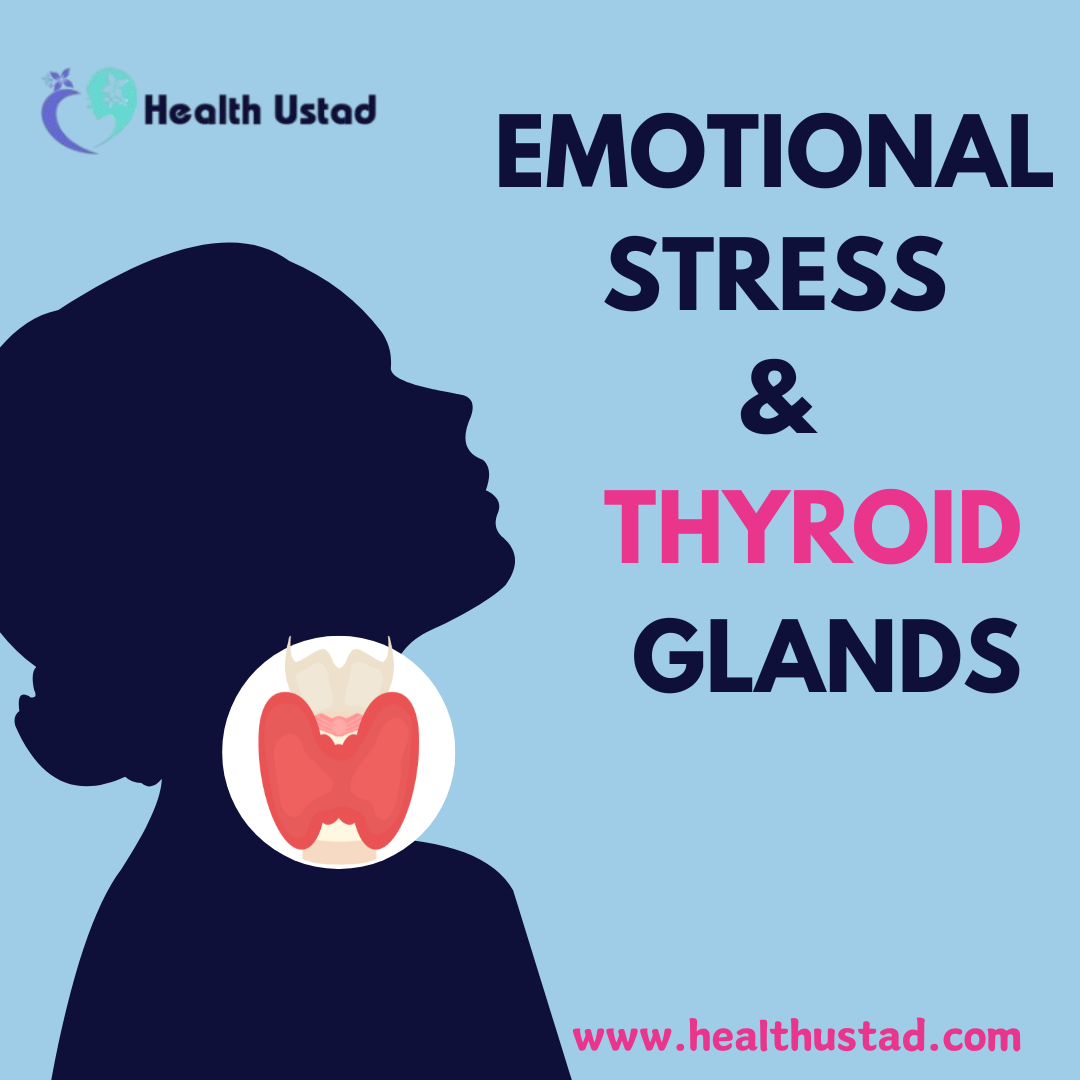
Can emotional trauma cause thyroid problems? This question comes to the minds of many people. Now, many people have realized that mental health and physical health are linked to each other. Emotional trauma can cause mental stress and also cause many physical problems, like disturbing thyroid glands. The thyroid is a little butterfly-shaped gland present in the neck. This gland controls energy, mood and metabolism. If you have a thyroid problem, you can feel tired. Stress and emotional trauma can cause disturbance in the thyroid gland.
How can Emotional Trauma Cause Thyroid Problems?
Thyroid problems are caused by to thyroid glands. The most important thyroid hormones are Thyroxin (T4) and Triiodothyronine (T3). These hormones tell the body how fast or slow things like the heart rate, body temperature, and metabolism should work. The brain, especially the hypothalamus and pituitary gland, sends signals to the thyroid so that it can work properly. The hypothalamus sends a hormone to the pituitary gland that tells it to make thyroid-stimulating hormone (TSH). TSH then tells the thyroid gland to make and release T3 and T4.
What is Hypothyroidism?
When the thyroid gland doesn’t make enough hormones, this is called hypothyroidism. Hyperthyroidism happens when the body produces too much of something. Both illnesses can make it hard to sleep, feel good, and have energy. They can also make anxiety or depression worse. But how can emotional trauma cause thyroid problems? And where does emotional trauma fit into all of this?
What is the relationship between Stress Response and Emotional Trauma?
When someone goes through a very upsetting situation that they can’t handle, they experience emotional trauma. This can happen when someone is abused, loses something, or is always under stress. The hypothalamic-pituitary-adrenal (HPA) axis, also known as the stress response system, is what the body does when it is in these kinds of situations.
When the HPA axis is working, the brain tells the pituitary gland to tell the adrenal glands to let out hormones like cortisol and adrenaline that make you feel stressed. These hormones help the body get ready to “fight or run away” when something bad happens. But if you have emotional trauma or stress for a long time, your cortisol levels may stay high, which can stop the brain from talking to other glands, like the thyroid gland. So, can emotional traumas cause thyroid problems? Long-term stress and emotional trauma may disrupt hormonal and immune system equilibrium.
The impact of emotional trauma on thyroid function:
Long-term stress and trauma can affect the thyroid in many ways. First, high levels of cortisol in the adrenal glands may cause the thyroid glands to make less thyroid hormone. This could cause problems with the thyroid, such as hypothyroidism. Second, stress can stop T4 (inactive thyroid hormone) from changing into T3 (active hormone). You may feel tired, have trouble sleeping, and have mood swings because of this.
When the HPA axis is always on, it can confuse the immune system, which can cause an immune response that mistakenly attacks the thyroid gland. This autoimmune response can lead to autoimmune thyroid disorders, including Graves’ disease and Hashimoto’s thyroiditis. When the immune system attacks the thyroid, it can either be too active or not active enough, which can lead to these diseases.
People who have been through emotional trauma are more likely to have problems with their immune system. Trauma can lead to chronic inflammation and impair the immune system’s ability to differentiate between healthy and harmful cells. This makes it more likely that you will get autoimmune thyroid diseases.
What is Graves’ Disease and Stress on the Brain?
Graves’ disease is an autoimmune thyroid disease that makes the thyroid work too hard. People with Graves’ disease often say they are worried, can’t sleep, have a fast heartbeat, and are irritable. Some studies suggest that emotional trauma may trigger or worsen Graves’ disease by increasing stress hormones and disrupting immune regulation.
We inquire, “Can emotional trauma cause thyroid problems?” Stress can make the thyroid work less well, and Graves’ disease is a well-known example of this. Stress and an overactive immune system can cause the thyroid gland to work too hard.
Long-Term Stress and Hypothyroidism:
Some people have an overactive thyroid, while others have an underactive thyroid, which is also known as hypothyroidism. Chronic stress can happen after emotional trauma, and this can make the thyroid work less well. When cortisol levels stay high, the pituitary gland might stop producing TSH. This would prevent the body from making thyroid hormones.
This can make you feel cold, tired, and gain weight, among other things. People with hypothyroidism often say they feel flat or depressed, which can make their mental health worse. There is a vicious cycle between emotional trauma and hypothyroidism. Trauma makes the thyroid work less well, which makes emotional pain worse.
What health Problems are caused by the Thyroid and Adrenal glands?
The adrenal glands play a big role in how the body reacts to stress. People who are always working because of stress or emotional trauma may work too much. Adrenal fatigue is a condition that makes the body release less cortisol, which may indirectly affect the health of the thyroid.
If your stress system is too active, it can stop TSH from being released and make it harder for your body to turn T4 into T3. Your thyroid can still have problems even if your thyroid hormone levels are normal on regular blood tests. So, when doctors are trying to find out if someone has thyroid disease, they look more closely at how the thyroid, adrenal glands, and mental health are all connected.
Autoimmune thyroid disorder and the immune response:
Long-lasting emotional trauma can alter the functioning of the immune system. Stress hormones like cortisol are supposed to lower inflammation, but if you are stressed for a long time, your immune system may not respond as well to these signals. In the end, this causes an immune response that causes inflammation that lasts a long time. Sometimes, the immune system mistakenly attacks tissue in the thyroid.
This is how autoimmune thyroid diseases like Hashimoto’s thyroiditis (hypothyroidism) and Graves’ disease (hyperthyroidism) can happen. Studies show that people who have been through a lot of emotional pain, like abuse, death, or war, are more likely to get autoimmune thyroid disease later in life. Emotional stress alone cannot cause thyroid disease; however, it is a significant contributing factor, particularly when combined with genetic or environmental risks.
Relationship between Thyroid Problems and Mental Health?
Thyroid hormones help keep your mood stable. Thyroid problems can lead to issues with both the mind and the body. People with thyroid problems often say they can’t sleep, are anxious, or are sad. People who have hyperthyroidism may feel nervous and restless. Hypothyroidism can make you feel tired, heartbreaking, and slow.
Because these symptoms can be similar, thyroid disease is sometimes thought to be a mental health issue. But the main issue might be hormonal. Doctors need to look at both psychological and biological factors when diagnosing thyroid problems because emotional trauma can make these symptoms worse.
How to treat thyroid problems that are caused by stress?
If emotional stress is making your thyroid problems worse, you need to deal with both the emotional and physical parts of the problem. You might need hormone replacement therapy if you have hypothyroidism. If you have hyperthyroidism, you may need drugs that make your thyroid work better. Most of the time, medicine alone isn’t enough for rehabilitation.
Therapeutic support may help people heal from emotional trauma. Cognitive behavioral therapy (CBT), mindfulness, meditation, and trauma-focused therapy are effective methods for altering the body’s response to stress and reducing cortisol levels. When stress is under control, the hypothalamic-pituitary-adrenal system can find its balance again, which may help the thyroid work better.
Changes in your daily life also have a big effect. A healthy diet that includes a lot of selenium, zinc, and iodine can help keep your thyroid healthy.




Post Comment