Sleep-Wake Disorders
What are Sleep Disorders Problems and How to Deal with Them?
People have trouble sleeping for a lot of reasons. Sleep disorders problems make it hard for you to sleep normally. Due to less sleep your body and mind don’t get the rest they need. These sleep disorders problems are much more common than we think. They can affect everything from how productive you are to your mental health.
In this article, we’ll talk about different kinds of sleep problems, what causes them, how to tell if you have one, and how to treat them. You might have a sleep disorder if you’ve ever had trouble falling asleep, staying asleep, or feeling tired even after getting enough sleep.
What are different sleep wake disorders?
Sleep-wake disorders are a group of medical conditions that affect when, how, and how well you sleep. These conditions can change the way you normally sleep, making it hard to fall asleep, stay asleep, or wake up feeling rested. Different type of sleep-wake disorders are:
- Insomnia disorder
- Hypersomnolence disorder
- Narcolepsy
- Breathing-related sleep disorders
- Circadian rhythm sleep wake disorders
- Non–rapid eye movement (NREM) sleep arousal disorders
- Nightmare disorder
- Rapid eye movement (REM) sleep behavior disorder
- Restless legs syndrome
How many hours you sleep is only part of what makes sleep healthy. It’s also about how good it is. Regularly interrupting sleep can lead to long-term sleep problems that hurt both physical and mental health.
What are Common Sleep Problems?
There are many different types of sleep disorders, each with its own symptoms and causes. Here are some of the most common ones:
-
Insomnia Disorder:
One of the most common sleep problems is insomnia. People with this condition have trouble falling or staying asleep all the time. People who can’t sleep often stay awake for hours or wake up several times during the night.
2. Sleep Apnea:
Obstructive sleep apnea is a serious sleep disorders problems in which breathing stops and starts regularly while you sleep. This makes it harder to sleep well and makes you sleepier during the day. A lot of people don’t know they have it until their spouse sees them snoring too much or stopping breathing.
3. Circadian Rhythm Sleep Disorder:
These sleep disorders problems happen when your body’s internal clock doesn’t match up with the outside world. People who work night shifts or travel a lot often have problems with their circadian rhythm sleep-wake cycle.
4. Restless Leg Syndrome:
Restless legs syndrome is a neurological disorder that makes you feel like you have to move your legs, especially at night. This makes it harder to go to sleep and stay asleep.
What are Causes of Sleep Disorders Problems?
There is no single cause of sleep disturbances. Instead, they often lead to a combination of factors including:
- Stress and anxiety can hurt your mental health.
- People who work shifts don’t always get enough sleep.
- Jet lag happens when you travel between time zones.
- Bad sleep habits or choices in life.
- Medical problems that are hidden.
- Neurological disorders that affect how the brain works.
These sleep disorders problems are more common now that people live in the modern world. People who work at night often have trouble sleeping because they wake up a lot, which can lead to long-term sleep problems.
What are common signs and symptoms of Sleep-Wake Disorders?
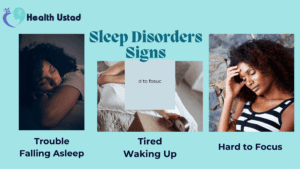
There are many different ways that sleep problems show up. Some common signs are:
- Having trouble falling asleep or staying asleep.
- Waking up tired.
- Too much sleepiness in the afternoon.
- It’s hard to focus.
- Changes in mood or anger.
- Snoring or breathing that is very loud.
- A strong urge to move your legs at night.
If these symptoms happen a lot, they could mean that there are sleep disorders problems with you that need to be fixed.
How sleep disorders problems affects mental health?
Sleep and mental health are very closely related. Stress, anxiety, and depression can get worse when you don’t get enough sleep. Mental health problems can also make it hard to sleep, which can make sleep disorders worse in a never-ending cycle.
Your brain has a hard time controlling your feelings and understanding things when you don’t get enough sleep. People who have trouble sleeping a lot often feel stressed, unfocused, or emotionally drained.
How lifestyle effect sleep disorders problems and mental health?
The way you act every day has a big effect on how well you sleep. Your body stays in its normal rhythm when you sleep well, but bad habits can cause sleep disorders. Things that affect sleep are:
- Bedtime routines that aren’t always the same.
- Too much time in front of a screen before bed.
- Heavy meals or caffeine late at night.
- Not getting enough exercise.
Making small changes to your daily routine can make a big difference in how well you sleep.
How Sleep-Wake Disorders are diagnosed?
You should see a sleep medicine specialist if your sleep problems don’t go away. Your doctor may suggest that you have a sleep study to keep an eye on your breathing, brain activity, and movements while you sleep.
A sleep study can find obstructive sleep apnea, restless legs syndrome, and other problems with movement. Finding it early can lessen long-term effects and improve quality of life.
How to Treat Sleep-Wake Disorders?
The treatment for sleep problems depends on the disease. Some common ways to do this are:
Changes to your lifestyle:
- Keep your sleep schedule the same.
- Make your bedroom a relaxing place to sleep.
- Don’t drink caffeine before bed.
- Exercise on a regular basis.
-
Medical Care.
Doctors sometimes suggest continuous positive airway pressure (CPAP) therapy for conditions like obstructive sleep apnea.
-
Behavior Therapy.
Cognitive behavioral therapy for insomnia (CBT) tries to change negative thoughts and behaviors about sleep.
-
Drugs
In some cases, doctors may suggest medication to help with sleep problems, but these drugs are rarely a long-term solution.
How to Sleep Better Naturally?
You don’t always need to see a doctor to get better sleep. Doing simple things can help you get more sleep.
- Go to bed at the same time every night.
- Before bed, cut down on your screen time.
- Make sure your bedroom is dark and quiet.
- Try some ways to relax.
- Don’t take long naps during the day.
These things can help you sleep better and feel better overall.
Why Sleep Is Important?
Your body needs enough sleep to work properly. Sleep lets your body heal, your brain relax, and your energy levels rise. Here are some effects of not getting enough sleep:
- Memory and concentration.
- Emotional steadiness.
- Health of the body.
- The immune system.
That’s why it’s so important to find and treat sleep disorders problems early.