
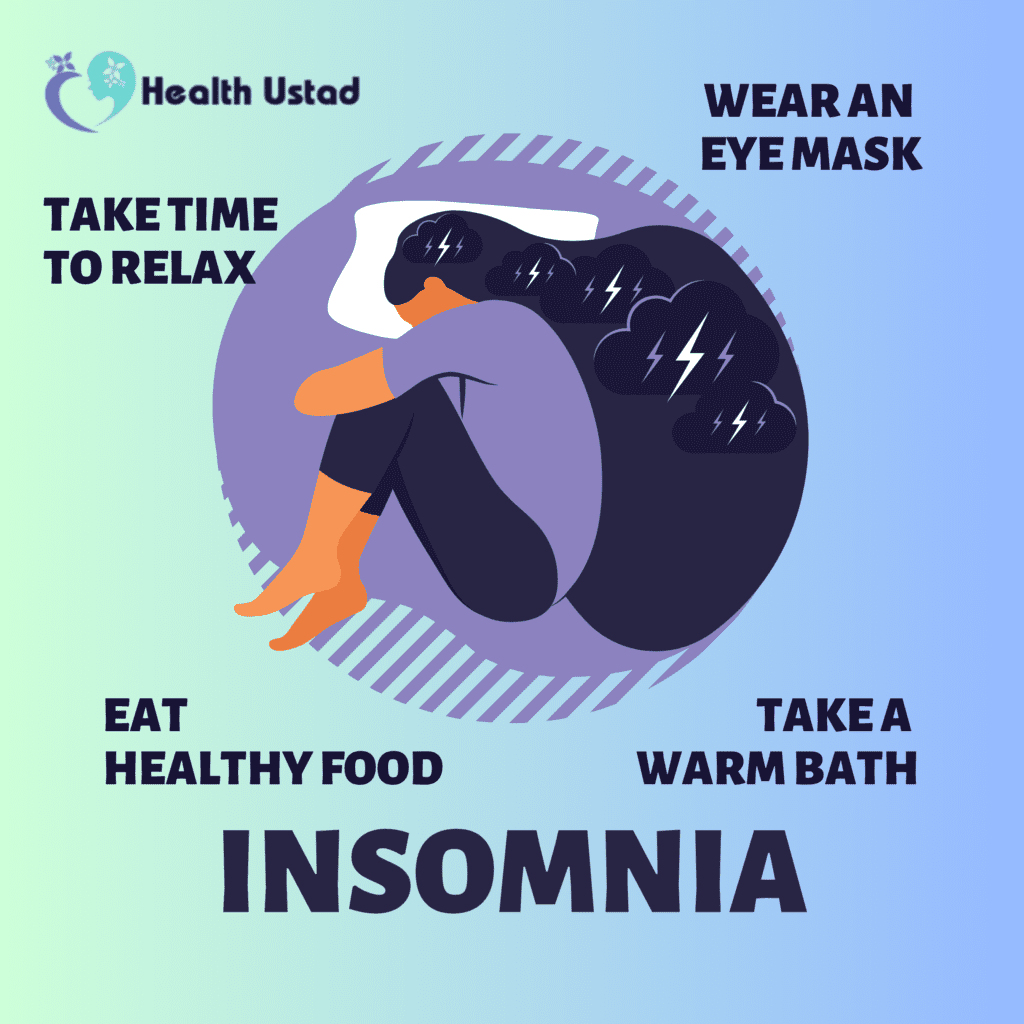
What is Insomnia ICD 10? What are its signs & symptoms?
Getting enough sleep is important for both your body and mind. But a lot of people deal with it every night. Insomnia is a common sleep disorder that makes it hard to fall asleep or stay asleep. It can make you tired, stressed, and unable to do your best work. This illness is known as insomnia icd 10 in medical terms, which helps doctors figure out what it is and how to treat it.
What does insomnia mean?
People with insomnia have trouble getting enough good sleep. People with insomnia often have trouble falling asleep and staying asleep, or they wake up too early and can’t go back to sleep.
This is more than just being sleepy sometimes. When it affects your daily life, mood, and performance, it becomes a medical issue. The ICD-10 classifies insomnia as a nervous system disorder, which means it has a lot to do with how the brain works.
What are different kinds of insomnia?
There are many different kinds of insomnia. Some people only have it for a short time, while others have to deal with it for months or even years.
Stress or changes in life can cause acute insomnia, which is a short-term sleep disorder.
People who have chronic insomnia have trouble sleeping at least three times a week.
Comorbid insomnia happens at the same time as other physical or mental health problems.
Different Types of Insomnia
These groups describe the signs of insomnia:
-
-
Sleep-Maintenance Insomnia:
-
Having trouble falling asleep or waking up a lot at night. Individual have problem in waking up too early and not being able to go back to sleep.
ii. Mixed Insomnia:
Mixed insomnia is when you have trouble falling asleep, staying asleep, and getting up too early.
iii. Paradoxical insomnia:
This is a condition in which the amount of sleep that a person thinks they are getting is much less than the amount of sleep they are actually getting.
iv. Short-Term Acute Insomnia:
This type of insomnia lasts for a few days to a few weeks and is usually caused by stress, travel, or illness.
v. Chronic insomnia:
This is when you have trouble sleeping at least three times a week for at least three months.
vi. Primary Insomnia:
In primary insomnia main problem is sleep problems, which are not directly linked to any other medical condition.
vii. Secondary or co-morbid insomnia:
This can be caused by a number of illnesses, such as pain, cancer, anxiety, depression, or drug abuse (caffeine, medicine).
What are causes on Insomnia ICD 10?
There are many things that can cause people to have trouble sleeping. Here are some of the most common ones:
-
- Anxiety and stress.
- Bad sleep habits.
- Health problems.
- Problems with mental health.
- Lifestyle choices like drinking coffee or using screens.
- To find out what the main problem is, doctors often look at medical and sleep histories. This is an important step before giving someone an insomnia ICD 10 classification.
What are common Signs & Symptoms of Insomnia?
People with insomnia have following symptoms:
-
- Trouble getting to sleep.
- Waking up a lot at night.
- Feeling tired after sleeping.
- Being tired during the day.
- Not being able to focus. Problems with sleep can affect your job, your relationships, and your overall health. If you don’t treat your sleeplessness, it could lead to bigger health problems.
How mental health professionals diagnose insomnia?
To figure out if someone has insomnia, doctors look at their medical and sleep histories in great detail. They might ask you about your daily routine, how stressed you are, and where you sleep.
In some cases, a sleep study may be needed. This test looks at how the brain works, how the body moves, and how the person breathes while they sleep. It helps rule out other issues, like sleep apnea.
Doctors will give the right insomnia ICD 10 code once they have confirmed the diagnosis. This makes sure that records are kept correctly and treatment plans are made.
Why DSM & ICD-10 coding is important?
Icd-10 codes are not only used for keeping records. It plays an important part in:
-
- Correct diagnosis.
- Claims for insurance.
- Planning for treatment.
- Getting data and doing research.
- The coding system includes back references to context annotations, which help connect related conditions and give more information. These annotation back references lead to extra notes that help healthcare providers choose the right code.
How to treat Insomnia?
 Insomnia can be treated, and the right treatment can help a lot of people. Possible treatments include:
-
-
Changes to Your Lifestyle:
-
Stick to a regular sleep schedule.
Don’t drink coffee before bed.
Make the room where you sleep peaceful.
-
-
Therapy:
-
Cognitive Behavioural Therapy (CBT) is a very good way to treat insomnia. It helps change bad sleep-related beliefs and habits.
-
-
Drugs:
-
If necessary, doctors may give short-term medications. But it’s not always the first choice. All treatments are based on the diagnosis of insomnia icd 10, which makes sure that each one is unique.